A decision most new owners face in the first winter
The house in Orange came with a wood-burning fireplace. Maybe you love the idea of real logs. Maybe you have no wish to haul wood and sweep ash. Either way, the first cold month tends to raise the question: keep it as it is, or change it to gas? This post lays out the realistic options for a first-time owner, what each costs with us, and the rules that shape the choice here.
The words you will hear
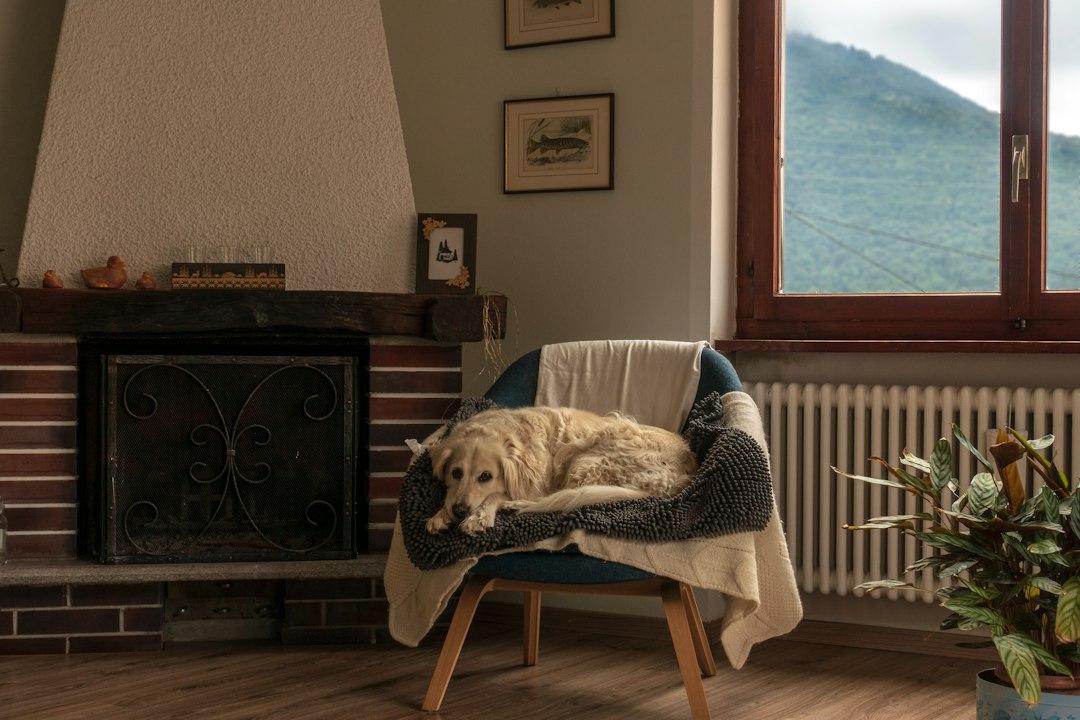
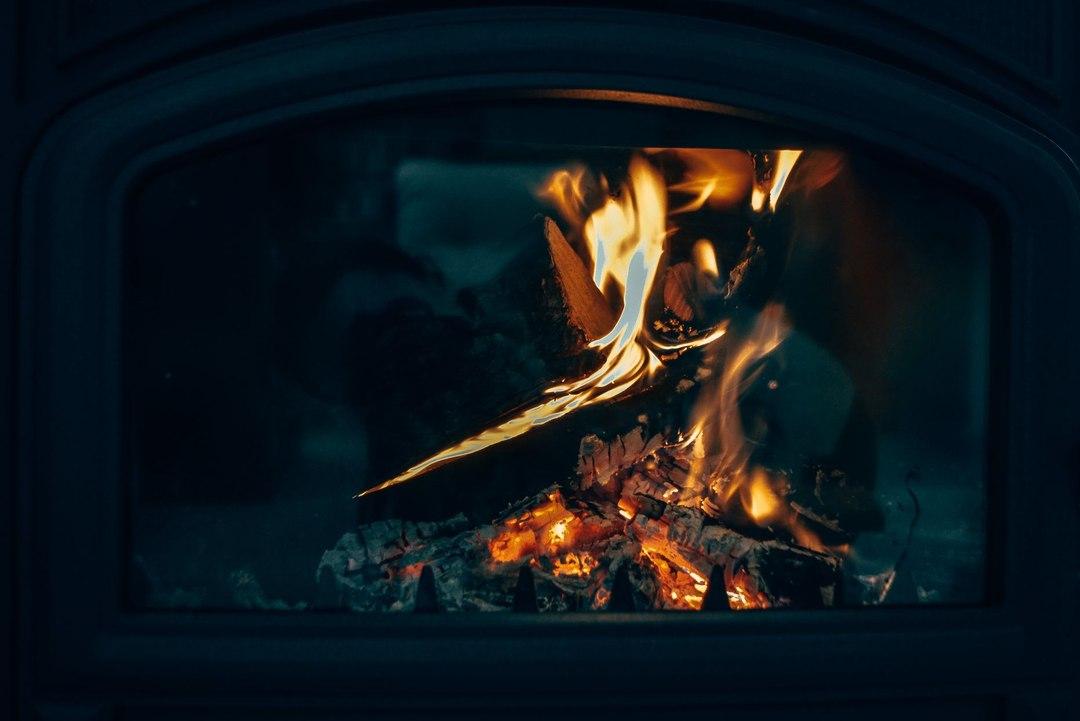
- Open wood fireplace: a firebox open to the room, burning logs, with smoke rising through the flue.
- Gas logs: ceramic logs with a gas burner set inside the existing firebox. They give the look of a fire but little heat.
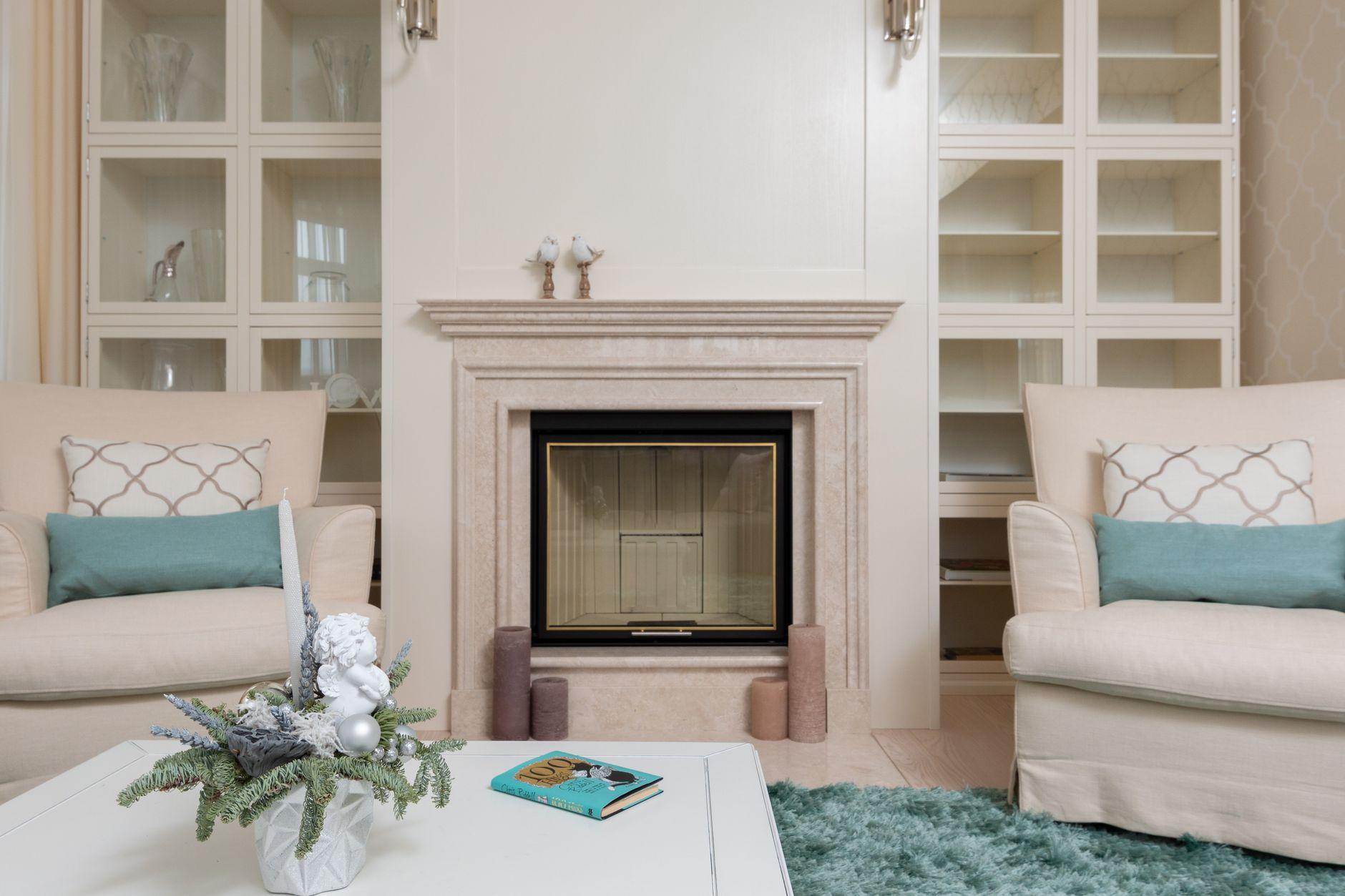
- Gas insert: a sealed metal heater with a glass front that slides into the existing firebox, venting through pipes run up the old flue. It heats the room properly.
- Direct vent: a sealed gas fireplace that takes air from outside and sends exhaust outside through its own pipe, so it does not need a chimney at all.
Option one: keep the wood fireplace
If you want real fire, keep it. The costs are mostly upkeep: a sweep from $445 when the flue needs it, and an inspection to confirm the chimney is sound before you start. For a newly bought house with an unknown past, a Level 2 at $415 with a camera is the sensible first step, and a Level 1 at $175 keeps an eye on it after that.
The trade-off is efficiency. With an open fireplace, the bulk of the warmth leaves by the flue, and room air gets drawn out along with it. It makes a lovely evening; it is a poor heater.
Option two: a gas insert in the opening you have
This is the change most owners ask us about. The insert sits in your firebox, a liner runs up through the old flue, and the gas line is brought to it. The result is a real heater with a thermostat or remote, no ash and no wood to store.
With us, a gas insert fitted into the fireplace you already have costs $2,950 to $5,950. Where you land depends on the size of your firebox, the unit you pick, the height of the chimney the liner has to travel, and whether a gas supply already reaches the fireplace.
Option three: gas logs
Gas logs cost less than an insert but heat far less, because the firebox stays open. They suit someone who wants a flame for the look of the room. Prices depend on the set and the gas work, so we write them up after seeing the firebox.
Option four: a new gas fireplace somewhere else
Some owners want the fireplace in another room, or have a chimney in poor enough shape that relining it makes little sense. A sealed gas unit can be built into an outside wall and vented straight through it. With us that runs $4,750 to $9,500, depending on the unit, the wall and the length of the gas run.
The air rule that shapes the choice in Orange
Orange County is covered by the South Coast Air Quality Management District. Its Rule 445 lets the district forecast cool-season days when burning wood in a home fireplace is not allowed for most households. Gas fireplaces are not affected by those days. If you want a fire on the coldest, stillest evenings of the year, which are often exactly the days that get restricted, gas is the reliable choice.
Rule 445 also limits new wood-burning fireplaces in new construction, which is one reason the wood fireplace you already own is worth looking after if you want to keep it.
How the options compare
| Point | Keep wood | Gas logs | Gas insert | New gas unit elsewhere |
|---|---|---|---|---|
| Real heat | Little | Little | Good | Good |
| Burn-day limits | Yes | No | No | No |
| Yearly upkeep | Sweep and inspection | Gas cleaning | Gas cleaning | Gas cleaning |
| Our price | Sweep from $445 | Quoted after the visit | $2,950 to $5,950 | $4,750 to $9,500 |
What decides the right one for your house
The state of the chimney comes first. A cracked or missing flue lining matters for wood, and it matters for an insert too, because the new liner has to pass through it. That is why we start any conversion with an inspection. The size and shape of the firebox comes next, because inserts are made to fit openings in a range of sizes. Then how you plan to use it: a few evenings a year, or a real source of heat for a cold room.
Send the quote form and say which of the four options appeals to you and which room the fireplace is in. We will tell you on the call back whether the chimney needs inspecting first and what a visit to measure involves.
Before anything is ordered
We do not sell an insert into a chimney we have not looked at. If you already have a recent Level 2 report, mention it in your request and we may not need another. If you do not, the inspection comes first, and the price for the insert follows in writing once we know the firebox and flue.
More detail sits on the fireplace inserts, gas logs and chimney sweep pages, and your first chimney sweep covers keeping a wood fireplace in shape.
Whichever way you lean, the contact page is where to tell us about the fireplace in your Orange home.
Rather Have Someone Look at Yours?
Hatcher Chimney Services books first inspections, cleanings and sweeps from Orange to Garden Grove, Placentia, Costa Mesa and the rest of our list, and explains every finding in plain words.